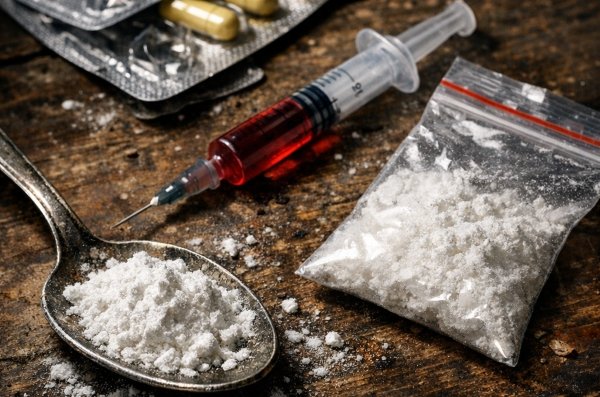
When experts are asked about the top most addictive drugs that they know, Heroin, Nicotine, cocaine, methamphetamine and alcohol are all at the top of the issues that pop in their minds. The addictive potential of a particular Drug is dependent on the speed by which it has an impact on the brain, its capacity to activate the reward system using dopamine, and the severity of withdrawal symptoms.
The most addictive drug of one person isn’t just affecting him or her; it’s also impacting families, hospitals, workplaces and communities. The reassuring news is that it is possible to treat addiction and recovery is possible with the right supports.
When people are encountering this question about what is the most addictive drug, they’re actually posing a research and clinical question that has been evolving over decades. There is no simple, easy answer, because addiction is a result of biology, environment and circumstance. But some chemicals are better suited for grasping into the brain than others.
Understanding what is most addictive and why, along with which one tends to win out will provide you with a sense of the warning signs to catch early on and be able to suggest them to others you know or will even take the chance if they don’t ask.
Key Takeaways
- Heroin is considered the most addictive drug, but other drugs like nicotine, cocaine, methamphetamine and alcohol are close behind.
- All of these factors consider the “addiction liability” of the substance: how quickly it hits the brain, how much dopamine it releases and how intense the withdrawal symptoms are.
- Addiction is NOT a moral issue or a weakness in the will, it is a chronic disease of the brain.
- It not only affects the individual but also may make an impact on family, health services, public safety and the economy.
- Treatment works and early contact will have a significant impact on outcomes.
What Makes a Drug Addictive?
Not all products are equally hazardous. “Addiction liability” is the potential that a drug can cause a substance use disorder, and it’s dependent on a few factors, says the Cleveland Clinic: method of usage, how quickly it crosses the blood-brain barrier; rate at which the effects of the drug are felt on the brain; and the strength of tolerance and withdrawal.
Therefore, the injectable or ‘smokable’ form of the drug is more likely to go straight to the brain and engage early on dependency. The faster a drug gets to the brain’s reinforcement system, the greater the “high” and the stronger the accompanying “crash. This precise mixture is the major reason that one of the most addictive things in the world is very dangerous and very difficult to break away from without having help.
Break the cycle of addiction today.
Call Rise Treatment & Recovery 24/7 at (302) 367-5064 for confidential support and personalized treatment options.
So, What is the Most Addictive Drug?
Heroin is regarded by most experts and addiction researchers as the most addictive substance. It easily penetrates the brain and elicits a surge of “dopamine” that the body rapidly becomes addicted to. Withdrawal is often physically painful and withdrawal symptoms can also make finding the motivation to quit without assistance difficult.
Heroin isn’t used on its own, however. According to the Cleveland Clinic, some of the most addictive compounds feature alcohol, cocaine, heroin, methamphetamine and nicotine. They each sound an out-of-ordinary song with the brain’s reward system. For example, one of the hardest habits to crack is nicotine, not because it provides one “cool”, but because it’s always there and accepted so much so that smokers need the nicotine. Therefore, in the case of heroin, albeit the most addictive drug, the entirety is certainly more complex than any word would imply.
What the Most Addictive Drug Does to the Brain
Your brain is wired to seek rewards. Eating a good meal or spending time with loved ones releases dopamine, a chemical that produces pleasure and makes you want to do it again. The drugs work by sending the brain a rush of dopamine in far greater amounts than it knows naturally, according to the Cleveland Clinic.
Your brain adapts over a period of time. It also becomes desensitized, which means that to feel the same effect, more of the substance is needed, known as “tolerance.” Thus, recreational consumption can become problematic and that is how the most addictive drug can creep in without anyone realizing it is happening to them.
Have concerns about yourself or someone you know? Our caring staff at Rise Treatment & Recovery can help individuals overcome even the strongest drugs and alcohol addiction. Let us help you find the answers and solutions you are seeking by calling us today so we can discuss your next step towards recovery in a confidential and non-judgmental environment.
The Impact of the Most Addictive Drug on Society
The addiction itself is not so difficult to make a start nor is the person to keep his addiction a secret. The effects of drug addiction are felt across boards In crowded emergency rooms, lost working days, struggling family finances and increased overdoses.
You don’t have to face substance dependency alone.
Speak with a compassionate admissions specialist now at (302) 367-5064 to start your path to healing.
Children grow up in an environment of upheaval in the family and home. Good and reliable workers are leaving the companies. Community costs involve the cost of caretakers and healthcare, law enforcement, and loss of productivity, which can cost billions of dollars a year.
Then there is the intangible loss of human daily life that cannot be quantified in numbers: the sadness of the families, the loneliness of the affected and the stigma that keeps many from seeking treatment. As we come to appreciate the extent to which the most addictive drug can go, it becomes apparent that the issue is not personal, but public health.

You Don’t Have to Face This Alone
It is important to know the risk; it is the next step to make a change. If you’re on a quest to conquer an addiction, or your loved one is, relief is at hand. At Rise Treatment & Recovery, a personalized approach to treatment and recovery with scientific evidence will be provided to meet you exactly wherever you are.
Call today and connect with a compassionate expert and start a journey towards long-term recovery. Just one call may be the moment to change your life.
Ready to take the first step toward lasting recovery?
Call (302) 367-5064 today to verify your insurance and explore our evidence-based detox and treatment programs.
Disclaimer
This article is for informational and educational purposes only and is not a substitute for professional medical advice, diagnosis, or treatment. Rankings of addictive substances vary between sources and individuals. If you or someone you know is struggling with substance use, please consult a qualified healthcare provider. In an emergency, call your local emergency number right away.
Frequently Asked Questions
Which drug has the highest addiction rate?
Heroin is often ranked highest for addiction potential because it reaches the brain quickly and produces an intense dopamine surge. Nicotine, however, affects far more people overall, making it incredibly widespread despite ranking slightly lower on intensity.
What are the big 3 drugs?
The “big three” usually refers to alcohol, nicotine, and opioids, since these cause the most widespread harm and dependence across society. Some lists swap opioids for cocaine, depending on regional patterns of misuse and availability.
What are the top 10 addictions?
Commonly cited addictions include heroin, nicotine, cocaine, alcohol, methamphetamine, prescription opioids, benzodiazepines, cannabis, methadone, and amphetamines. Behavioral addictions like gambling also appear, though substance-based dependencies typically dominate clinical rankings of overall severity.
What is the #1 hardest addiction to quit?
Many specialists consider heroin or nicotine the hardest to quit. Heroin’s withdrawal is physically brutal, while nicotine’s constant availability and social acceptance make relapse easy. Both intensely rewire the brain’s reward system over time.
What are the top 3 most addictive drugs?
Research frequently lists heroin, cocaine, and methamphetamine among the top three most addictive drugs. Each floods the brain with dopamine rapidly, creating powerful cravings and a high risk of dependence after only limited use.
What is the #1 abused drug?
Alcohol is the most abused drug in many countries because it’s legal, affordable, and socially normalized. Among illegal substances, cannabis is the most widely used, though it carries lower addiction liability than opioids.
What is the impact of drug addiction on society?
Drug addiction strains healthcare systems, reduces workplace productivity, increases crime, and devastates families. It contributes to overdose deaths, homelessness, and emotional trauma, costing communities billions annually while affecting people across every age and income group.
What is the most abused drug in our society?
Alcohol remains the most abused drug in modern society due to its legality and acceptance. Nicotine follows closely, and prescription opioid misuse has surged, creating one of the most serious public health crises today.
What are the top 3 worst addictions?
The top three worst addictions are often cited as heroin, methamphetamine, and crack cocaine, given their rapid grip, severe health damage, and difficult recovery. Alcohol and nicotine also rank high for widespread, lasting harm.
References
- Cleveland Clinic. Addictive Substances.
- American Addiction Centers. 5 Most Addictive Drugs.
- National Institute on Drug Abuse (NIDA). Drugs, Brains, and Behavior: The Science of Addiction.