
Pain relief medications are among the most used drugs in the United States, and ibuprofen is often the first choice for headaches, muscle pain, arthritis, or minor injuries. Many people wonder whether taking it regularly is addictive or harmful.
When used correctly, ibuprofen is safe. However, taking it at high doses or for extended periods can cause serious health issues. Understanding how it works, its benefits, risks, and when to seek help supports better decisions around pain management.
Is ibuprofen addictive or safe? No clinical studies classify ibuprofen as an addictive substance, as it does not produce the euphoric effects linked to opioid addiction. That said, psychological dependence is possible with overuse, so regular long-term use is not recommended.
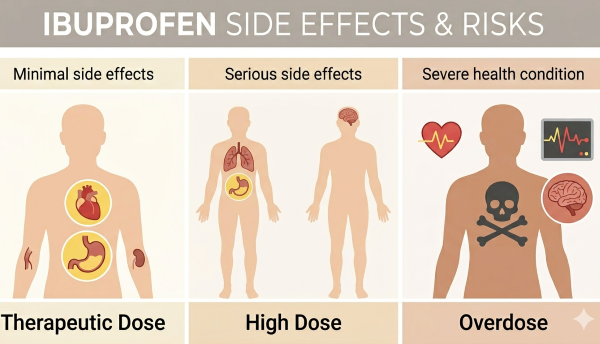
Occasional use is generally safe. Prolonged or excessive use can lead to stomach and intestinal ulcers, gastrointestinal bleeding, kidney damage, and cardiovascular complications. Anyone managing chronic pain should consult a healthcare provider about safer long-term alternatives
Key Takeaways
- Ibuprofen is a type of medicine called a nonsteroidal anti-inflammatory drug (NSAID). Ibuprofen is used to relieve pain, inflammation, and fever.
- People don’t have to reduce their consumption of ibuprofen to get off of it, so there is no reward system in the brain like there is for opioid use.
- A few people become psychologically addicted to pain-killing drugs.
- Routine or long-term use might lead to bleeding in the stomach, ulcers, kidney problems, and cardiovascular complications.
- The recommended doses may not be suitable for those lower than these.
Medicines for chronic pain should only be used one or two times per day over a period of many days or weeks, and should be used, under medical detox supervision, to determine the best options.
In some instances, drug misuse is a component of a more serious problem of drug abuse, and sometimes behavioral help may be needed.
What is Ibuprofen?
The over-the-counter NSAID that’s commonly sold as the brand name Ibuprofen is one of these NSAIDs. One of these is Ibuprofen, a non-steroidal anti-inflammatory drug, or NSAID, that’s often used over the counter for pain as Advil and Motrin. It does this by stopping chemicals that are responsible for creating inflammation, pain and fever, called prostaglandins, from being made.
Here are some examples of how ibuprofen is normally used:
- Headaches and migraines
- Muscle strains
- Back pain
- Dental pain
- Arthritis
- Menstrual cramps
- Fever reduction
For everyone, it seems it is something harmless as it is widely available without a prescription of a doctor. However, even with the most popular over-the-counter remedies that are being harmful when misused and abused over time can still pose serious health risks.
Is Ibuprofen Addictive?
Very common ibuprofen queries are whether or not this medicine is addictive.
The answer is that ibuprofen doesn’t have the same effect on the reward system of the brain as opioids and other drugs like benzodiazepines and stimulants. Does not create a “high,” cravings or a withdrawal syndrome from the addiction to a substance.
But for others, there may be some psychological dependence on the use of painkiller medicines, according to research and clinical experiences. This is typically when the addict starts taking drugs as a way to begin easing the pain, emotional pain or physical illness they are experiencing, which is a continuous condition.
The discussion went on to point out that while addiction to ibuprofen often is due to the need to ease chronic pain, rather than to gain intoxicating properties, it could still take the form of a habit. In these circumstances, sometimes the condition causing the pain will have to be diagnosed rather than increasing drug use.
Why Some People Use Ibuprofen Too Frequently
There are a number of reasons why individuals might start to take ibuprofen more frequently than directed:
Chronic Pain Conditions
Those with inflammatory diseases, back injuries, migraine and arthritis are heavy users of ibuprofen.
Delayed Medical Care
Others procrastinate on getting care from a professional until they can get a painkiller like ibuprofen and dull the pain with self-administered medication.
Misunderstanding Safety
Since it is an over-the-counter medication, many believe that it is harmless, and can be taken anytime without the need to notify the physician.
Emotional Factors
Chronic pain can have psychological impacts and some people may overuse their pain medications to function in day-to-day life.
Untreated pain and emotional distress are often correlated symptoms or conditions that addiction counselors and mental health professionals may observe. It’s important to choose ways that address both the body and the mind to ensure this is followed as a lifestyle to the point of doing it on a wellness checklist.
Unsure if your reliance on pain medication is safe? Get confidential answers today.
Call Rise Treatment and Recovery at (302) 367-5064.
Is It Harmful to Take Ibuprofen Regularly?
Harmful effects occur with regular use if taken in doses, duration or at the time inappropriate to the health of the individual.
It can be used safely for the short-term, but may have serious complications after long term use.
Gastrointestinal Problems
Ibuprofen can irritate the lining of the stomach and safe but of the following:
- Stomach ulcers
- Gastritis
- Internal bleeding
- Digestive discomfort
This can be particularly frequent with older individuals.
Kidney Damage
The normal functioning of the kidneys depends on the proper circulation of blood through them. NSAIDs can have side effects if applied to the kidneys that can cause damage after prolonged use.
Cardiovascular Risks
Long use of NSAIDs is associated with:
- Elevated blood pressure
- Increased risk of a heart attack.
- Increased risk of stroke
- Individuals who have had cardiovascular problems in the past are going to be very sensitive.
- Liver Stress
Less likely to cause problems for the kidneys but may cause stress for the liver in some individuals if taken in large enough quantities.
Masking Serious Conditions
Long-term use of ibuprofen can make patients unaware that there are normal, but not life-threatening, symptoms that could warrant treatment and that could be delayed.
When Does Use Become Misuse?
- Misuse is when an individual
- Exceeds recommended dosages
- Takes more than the recommended dosage of ibuprofen
- Takes it or other medicines without a doctor’s advice.
- Continues to use it despite negative consequences
- Carries on as though there is no solution to the pain or to address the root cause of pain.
This doesn’t necessarily mean a problem with drugs or alcohol, but may have health consequences.
Need Help Addressing Chronic Pain or Substance Use?
The psychological effects of chronic pain, along with its impact on relationships and any recovery process, can have an impact on every facet of life. If you or a loved one are experiencing chronic pain and/or drug and/or painkiller addiction, Rise Treatment & Recovery brings compassion and caring to your recovery and makes it a top priority.
Call us at (302) 367-5064 at Rise Treatment & Recovery and let the caring professionals know of your situation and options for treatment. The first step to recovery is the conversation.
Which is Safer, Ibuprofen or Meloxicam?
Both are nonsteroidal anti-inflammatory drugs, but are not interchangeable.
Meloxicam is mainly used in cases of chronic pain like arthritis, osteoarthritis, and rheumatoid arthritis. It is non-allergic and lasts for a longer time in the body; this may make it easier to take it once a day.
All medicines have the possibility of causing side effects. An optimal combination of factors depends on:
- Medical history
- Kidney function
- Heart health
- Gastrointestinal risk factors
- Duration of treatment
A health worker will have the best idea of what medicinal product will suit an individual’s needs.
What is the Safest Pain Reliever for Daily Use?
Whenever taken on a daily basis over extended periods, no pain med is risk-free.
Although less inflammatory, it is claimed, than NSAIDs, an excessive amount may be damaging to the liver. NSAID activity is beneficial in inflammation and may increase GI, renal and cardiovascular risk.
The decision on which safe is chosen will depend on:
- The source of pain
- Existing medical conditions
- Current medications
- Duration of treatment
Seek medical advice if you are experiencing daily pain requiring taking medication.
Why Do Some Doctors Recommend Limiting Ibuprofen Use?
Long-term use of NSAIDs can cause health problems and these medications are usually recommended to be used in moderation by healthcare professionals.
If patients no longer experience any of these signs or symptoms, doctors might be concerned.
- Take ibuprofen over the course of weeks or months
- Do practice more with supervision!
- Have kidney disease
- Have heart disease
Could not have eaten or drunk alcohol for a long period of time or had previously experienced ulcers or gastrointestinal bleeding.
Prominent prevention of ibuprofen use is not the goal but it does mean that it is used safely and correctly.
Education should be provided on ibuprofen and mental health for youth. Adolescents need to know about ibuprofen and mental health.
Understanding Ibuprofen and Mental Health
Individuals affected by chronic pain could have any of the following problems:
- Anxiety
- Depression
- Sleep disturbances
- Increased stress
- Poor living standard
Clinicians and addiction professionals know that being emotionally healthy can positively influence pain management. As part of a thorough recovery, counseling, behavioral therapies, mindfulness techniques and supportive treatment programs can be helpful.
When to Seek Professional Help
If you experience any of these symptoms, seek medical attention!
- Should require ibuprofen daily
- Notice that any medication treatment doesn’t seem to alleviate pain. Take note of increasing pain, despite pain medication.
- If abdominal pain and blood loss is present, seek emergency medical assistance right away.
- Develop kidney-related concerns
- Does not function without medicines
Raise concerns if you see or suspect someone is using a substance that is bad for them.
Early intervention allows the chance to prevent additional issues and to achieve a positive impact on health outcomes in the long term.
Take the first step toward safe, lasting recovery.
Call our confidential line 24/7 at (302) 367-5064 to speak with an admissions specialist.
Conclusion
Whether ibuprofen is addictive or safe for regular use, ibuprofen is not said to be addictive. But that doesn’t imply it’s without risk. Repeated or long-term use leads to severe diseases, including bleeding in the guts and, kidney and heart diseases.
Start Your Recovery Journey Today
By educating themselves about ibuprofen, whether they are taking pain medication or not, they will be able to make informed choices and know who they can turn to for support when they need it. It may be useful to hold a conversation about other, more effective and less harmful means of coping if a person’s life is being impacted by chronic pain or the deliberate misuse of pain medication or the use of alcohol.
Disclaimer
This blog is intended for educational and informational purposes only and does not constitute medical advice, diagnosis, or treatment. Always consult a qualified healthcare professional regarding medical concerns, medication use, or treatment decisions. Never stop or modify prescribed medications without professional guidance.
Frequently Asked Questions
Is it harmful to take ibuprofen regularly?
Regular ibuprofen use may increase the risk of stomach ulcers, gastrointestinal bleeding, kidney problems, and cardiovascular complications. Individuals needing frequent pain relief should consult a healthcare provider to identify underlying causes and determine safer long-term treatment options.
What is the safest pain reliever to take on a daily basis?
No pain reliever is completely risk-free for daily use. The safest option depends on individual health conditions, medications, and pain causes. A healthcare professional can recommend the most appropriate and effective long-term pain management strategy.
Why do doctors not like ibuprofen?
Doctors generally do not oppose ibuprofen itself but may discourage prolonged or excessive use. Long-term NSAID use can increase risks involving the stomach, kidneys, heart, and blood pressure, especially among older adults or vulnerable patients.
What is the strongest anti-inflammatory for arthritis?
The strongest anti-inflammatory medication varies based on the individual and arthritis type. Prescription NSAIDs, corticosteroids, and certain biologic medications may be used depending on symptoms, disease severity, and overall health considerations.
What organ is meloxicam bad for?
Meloxicam may affect several organs, particularly the kidneys. Long-term use can also increase risks involving the stomach, intestines, and cardiovascular system. Healthcare providers typically monitor patients using meloxicam for extended treatment periods.