Cocaine Addiction Treatment in Wilmington, Delaware
Evidence-based treatment for cocaine and crack cocaine use disorder with residential care and ongoing support.
Note: Content pending medical review and approval by Rise Treatment & Recovery medical director.
Comprehensive Cocaine Addiction Treatment in Delaware
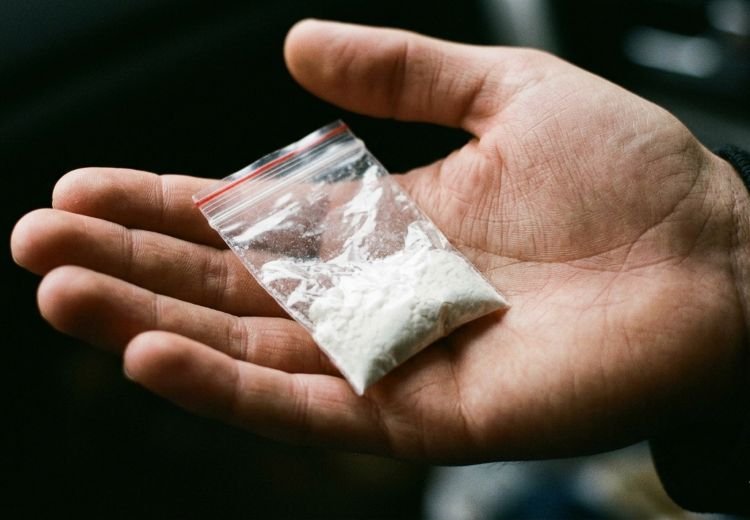
Cocaine is a powerful stimulant drug that creates intense euphoria by flooding the brain with dopamine. Available in powder form (cocaine hydrochloride) and as crack cocaine, this substance is highly addictive and can lead to serious cardiovascular, neurological, and psychological consequences.
At Rise Treatment & Recovery, we provide evidence-based treatment for cocaine use disorder, including stabilization, residential programming, individual and group therapy, and relapse prevention planning to support long-term recovery from stimulant addiction.
Why Cocaine Is So Addictive
Cocaine triggers a massive, rapid release of dopamine in the brain’s reward center, creating intense euphoria, confidence, and energy. However, this high is short-lived, often lasting only 15-30 minutes, which drives repeated use in a single session (bingeing).
Over time, the brain’s reward system becomes dependent on cocaine to produce dopamine, making it difficult to feel pleasure from natural rewards. This creates powerful psychological cravings and compulsive use patterns, even when the individual experiences serious negative consequences.
Recognizing Cocaine Addiction
Physical Signs
- Dilated pupils
- Increased heart rate and blood pressure
- Runny nose or frequent sniffling
- Weight loss and decreased appetite
- Nosebleeds (from snorting)
- Increased energy followed by crashes
Behavioral Changes
- Hyperactivity and increased talkativeness
- Risky or impulsive behavior
- Financial problems
- Neglecting responsibilities
- Social isolation during 'crash' periods
- Continued use despite consequences
Cocaine Addiction Treatment at Rise
Our cocaine addiction treatment program combines stabilization, evidence-based therapy, and long-term recovery planning to address both the physical and psychological aspects of stimulant use disorder.
Assessment & Stabilization
Clinical evaluation and medical monitoring during early withdrawal to address cravings, mood changes, and any co-occurring mental health concerns.
Residential Treatment
Structured therapeutic programming including Cognitive Behavioral Therapy (CBT), Motivational Interviewing, group therapy, and relapse prevention to address psychological dependence and rebuild healthy coping mechanisms.
Aftercare & Recovery Support
Ongoing outpatient coordination, 12-step support, and relapse prevention planning to maintain sobriety and build a sustainable recovery foundation.
Frequently Asked Questions
Is cocaine physically addictive?
Cocaine is primarily psychologically addictive, creating intense cravings and compulsive use patterns. While cocaine withdrawal is typically not life-threatening like alcohol or benzodiazepine withdrawal, it can cause significant psychological distress, depression, fatigue, and intense cravings that make quitting extremely difficult without professional support.
How long does cocaine withdrawal last?
Cocaine withdrawal symptoms typically peak within the first few days and may last 1-2 weeks for acute symptoms. However, psychological symptoms such as depression, anxiety, and cravings can persist for weeks or months (post-acute withdrawal). Treatment and therapy help manage these extended symptoms.
Do I need detox for cocaine addiction?
While cocaine detox is generally not medically dangerous, supervised detox provides a safe, supportive environment to manage withdrawal symptoms, address cravings, and transition into residential treatment. Many individuals also benefit from assessment for co-occurring mental health conditions during this phase.
What happens after cocaine detox?
After stabilization, most clients transition into residential treatment where they participate in individual therapy, group counseling, and evidence-based programming to address the psychological roots of cocaine use and develop relapse prevention strategies.
Does insurance cover cocaine addiction treatment in Delaware?
Most major insurance plans provide coverage for medically necessary cocaine addiction treatment, including detox and residential care. Our admissions team offers free, confidential insurance verification.